The Hidden Costs Inside "Good Enough" Payment Systems
A payment system can look healthy while quietly leaking money. Learn how authorization rates, fraud costs, interchange qualification, and fee creep silently erode profitability.

The Gap Between Baseline and Achievable Performance
A payment system can look healthy while quietly leaking money. Transactions clear, deposits arrive, and checkout works, so the team moves on. The hidden cost is the gap between baseline performance and achievable performance. At scale, that gap is often the difference between "payments are fine" and "payments are driving measurable profit."
Authorization Rate Is the Biggest Silent Leak
Authorization rate is the percentage of attempted charges that get approved. A few points of difference matter. If you process $20 million in attempted volume and your approval rate is 88% instead of 92%, you are leaving about $800,000 in potential captured revenue on the table. Some of that is truly uncollectible, but a meaningful portion is recoverable through better routing, retry logic, and data quality.
Segment level measurement finds the real problems
Overall approval rate hides where declines concentrate. Useful cuts include:
- Card brand and issuer
- Domestic vs international
- Ticket size bands
- New vs returning customers
- Mobile vs desktop
- Subscription renewals vs one time purchases
Those cuts reveal whether you have a routing issue, a data issue, a customer experience issue, or an issuer specific problem you can mitigate.
Fraud Costs Are Larger Than Fraud Losses
Most teams measure fraud as chargeback dollars. The bigger costs are operational:
- Manual review time
- Customer support contacts from false positives
- Lost orders when good customers get blocked
A tighter fraud strategy should reduce loss and reduce friction. A tuned approach to fraud risk monitoring is usually worth it because false positives are often more expensive than the fraud you are trying to stop.
Interchange Qualification Is Often Left Unmanaged
Interchange is not one flat rate. It depends on card type, transaction method, submitted data, and settlement timing. Many businesses qualify for worse categories than they need to, simply because nobody owns the details.
Common misses include:
- Not capturing the data needed for lower cost B2B categories where relevant
- Delaying settlement longer than necessary
- Inconsistent transaction descriptors or data fields that cause downgrades
These are small process and integration fixes that can reduce blended cost without changing your customer experience.
Want to know which of these leaks is largest on a specific account? Contact the Paymetrics team with 3 recent statements and the review comes back with the leaks ranked by dollar impact.
Fees Creep When Nobody Audits Statements
Three signals on a statement usually mark fee creep in progress.
- A new line item that did not appear 6 months ago
- An effective rate that rose while card mix stayed flat
- A "non-qualified" transaction share above 10 percent of volume
Processing costs can increase without a headline rate change. Fee structures get adjusted, new line items appear, and volume tiers change. If nobody reconciles fees against contract terms and competitive benchmarks, the system becomes "whatever the statement says."
An analytics dashboard that breaks cost down by transaction type and card mix makes this easier to audit. The key is running the audit regularly, not once.
Chargebacks Reflect Product and Operations, Not Just Payments
Chargebacks are expensive because they combine fees, lost product, shipping cost, and staff time. Many chargebacks are preventable and originate outside payments:
- Confusing billing descriptors
- Shipping delays and poor tracking communication
- Unclear return policies
- Slow support responses
- Product not as described issues
Treating chargebacks as a payments problem leads to the wrong fixes. Treating them as an operational signal leads to fewer disputes and lower processing risk.
Retry Logic Can Recover Meaningful Revenue
Many declines are "soft" and recoverable. Fixed retry schedules treat every decline the same, which leaves recovery money uncollected. Smarter retries consider:
- Decline reason
- Time of day
- Customer history
- Whether a route change improves issuer acceptance
This is especially important for subscription billing, where recovering even 15-25% of initial failures can materially reduce churn.
The math is direct. A subscription business with a 12% initial failure rate that recovers 20% of those failures through tuned retries keeps roughly 2.4% of monthly billing that would otherwise churn. On $500,000 in monthly recurring revenue, that is $12,000 a month retained without acquiring a single new subscriber.
Token Management Prevents Avoidable Failures
Stored payment methods fail when cards expire or get replaced. Token update services and account updater programs can reduce these failures, lower support volume, and keep subscriptions from canceling due to preventable payment friction. Updater programs typically refresh the majority of reissued cards before the next billing date, which turns a hard failure into a charge the customer never notices.
The Compounding Effect Is the Real Issue
Each "small" leak looks manageable:
- A couple points of approvals
- A slightly over tuned fraud rule
- A downgrade in interchange category
- A few extra basis points in fees
- A preventable set of disputes
Together, they can add up to hundreds of thousands per year for mid market volume, and millions for enterprise volume.
Moving Past "Good Enough"
The fix is not a new checkout button. It is ownership and a repeatable process:
- Measure the right metrics by segment
- Prioritize the highest value leaks
- Test changes with staged rollouts
- Monitor results and keep optimizing
If you do not have internal bandwidth for that cadence, consulting can provide the structure and expertise to find the leaks and execute improvements. "Good enough" is expensive because it stays in place. Optimization pays because it compounds.
Table of Contents
Subscribe to our newsletter
Get the latest insights and updates delivered to your inbox.

How to Set Up Automatic Payments for Your Business
Learn the 4 steps to set up automatic payments, from customer authorization to retry logic, and avoid the mistakes that cause failed charges.

What Is Dual Pricing Credit Card Processing?
Learn how dual pricing works, how it differs from surcharging, and what disclosure rules apply before a business posts dual pricing signage.
What Is a Payment Facilitator (PayFac)?
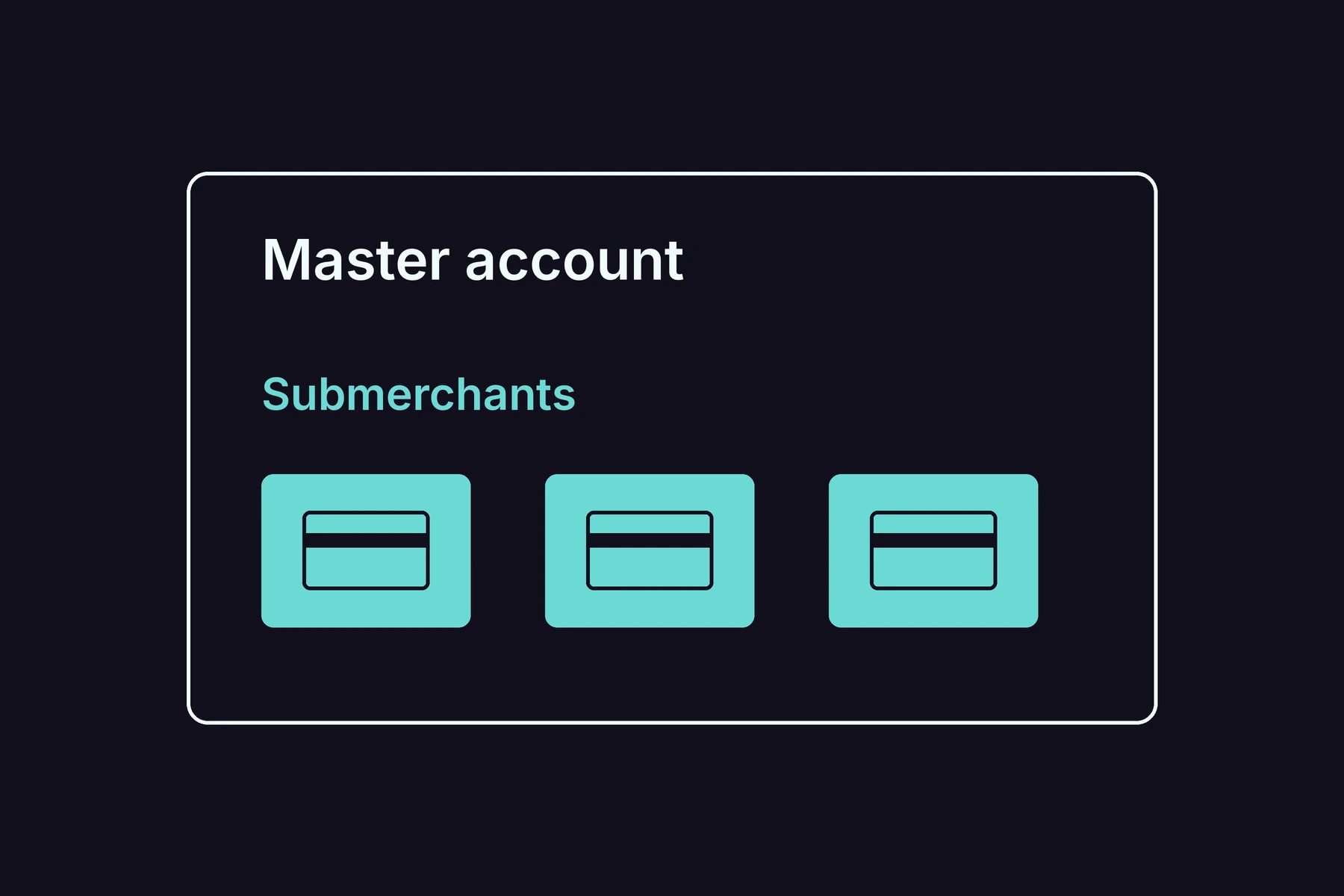
A payment facilitator, commonly shortened to PayFac, is a company that holds a master merchant account and onboards other businesses as submerchants underneath it.