Understanding Your Payment Processing Fees
Most companies set up payments once and move on. Learn why "good enough" stays in place for years, and how small payment improvements can add meaningful revenue.

The Root Issue Is Ownership
Most companies set up payments once and then move on. The processor works, money lands in the bank, and nobody comes back to tune performance unless something breaks. That is why "good enough" stays in place for years, even when small payment improvements can add meaningful revenue and remove recurring cost.
Finance monitors deposits and reconciliation. Engineering monitors uptime and integrations. Support answers "why did this charge fail" tickets. But optimization lives in the gaps between teams, so it rarely happens.
Default Configurations Are Built for Speed, Not Outcomes
Processors ship templates that prioritize fast go live. Routing is simple. Retry logic is conservative. Fraud settings are generic. Those defaults reduce setup friction, but they are not designed around your customer mix, average ticket size, sales channels, or risk tolerance.
A common example is routing every transaction through one acquiring path because it is easy to manage. In practice, authorization performance varies by issuer, card brand, geography, and transaction type. If routing never changes, you accept whatever results the default path produces, even when better options exist.
Fraud settings are similar. A generic rule set blocks some fraud, but it also blocks legitimate customers and adds manual review work. A business specific approach to fraud risk monitoring should reduce loss while also reducing false positives, because it is tuned to your actual patterns.
Nobody Is Responsible for Payment Performance After Launch
The payments stack can "work" while performance quietly slips. Authorization rates can drift down. Declines can shift from soft to hard. Certain issuers can start rejecting more volume. If no one is watching, those trends become normal.
Who monitors authorization rate trends
Most teams look at total approvals, not approvals by segment. The useful view is broken down by card brand, issuer, country, device, channel, average ticket, and customer tenure. That segmentation tells you where the problem is concentrated and what levers to test.
Who evaluates routing and retry strategy
Routing is a performance decision, not just a technical one. The same transaction can approve through one path and decline through another. Retry logic also matters. Not all declines should be retried, and timing matters for the declines that can be recovered. Without an owner, routing and retry logic stays static.
Who runs controlled tests
Optimization is not guesswork. It is test, measure, keep what works, and roll back what does not. That takes time, a clear plan, and someone accountable for results. Without that person, the only changes that get made are emergency fixes.
Small Leaks Compound Into Real Money
A 1% drop in authorization rate can be invisible on a dashboard, but it is not invisible in revenue. The same is true for small fee differences, slow settlement timing, or a slightly over tuned fraud rule set. Each leak is "only a little," but the system runs every day.
These costs show up as fewer completed orders, more support contacts, and higher blended processing costs.
Put numbers on it. A business processing $5 million a year that recovers 1 percent of approvals, trims 10 basis points of fees, and prevents a quarter of its disputes adds roughly $60,000 to $80,000 a year back to margin, with no new customers acquired.
Want those numbers for a real account instead of an example? Contact the Paymetrics team for a payment performance review, or apply for a merchant account that includes segment-level reporting from day one.
Data Visibility Is Not the Same as Optimization
Most processors give reporting. That is useful, but raw reporting does not translate into action. The gap is analysis and follow through: spotting patterns, forming hypotheses, testing changes, and monitoring results.
An analytics dashboard helps by making performance easier to see, but someone still has to own the weekly review and the next steps. Visibility without ownership becomes a dashboard nobody opens after the first month.
Why Optimization Has to Be Ongoing
Payments are not stable. Issuers change risk models. Fraud patterns evolve. Card network rules shift. Your own product mix, pricing, and channels change. If your configuration does not evolve too, performance drifts.
A one time optimization project helps, but the bigger win is building a repeatable process.
The Missing Owner Is the Real Bottleneck
Most businesses do not need more payment infrastructure. They need accountability. Someone has to be responsible for payment outcomes across teams: approvals, declines, fraud, chargebacks, customer experience, and cost.
That ownership can be internal, but it often is not practical to hire deep payments expertise early. A managed partner can fill the gap by combining strategy, analysis, and execution support. Consulting is valuable when it is tied to measurable outcomes, not just advice.
What "Truly Optimized" Looks Like
Optimized payment programs tend to share a few traits:
- You track authorization rate by key segments and act on changes quickly.
- You use routing and retry strategies that reflect decline types and issuer behavior.
- You tune fraud controls to reduce both fraud loss and false positives.
- You audit fees and interchange qualification regularly.
- You connect payments data to operational data so declines and disputes get fixed at the source.
The difference between "works" and "optimized" is not a new processor. It is ownership, measurement, and a repeatable improvement cycle. If nobody owns that cycle, the system stays at default, and the business keeps paying the hidden tax of "good enough."
Table of Contents
Subscribe to our newsletter
Get the latest insights and updates delivered to your inbox.

Most Payment Processors Provide Infrastructure, Not Accountability
Processors are great at moving money, but infrastructure is not the same as owning your payment outcomes. Learn why performance management requires a different approach.
What Is a Payment Facilitator (PayFac)?
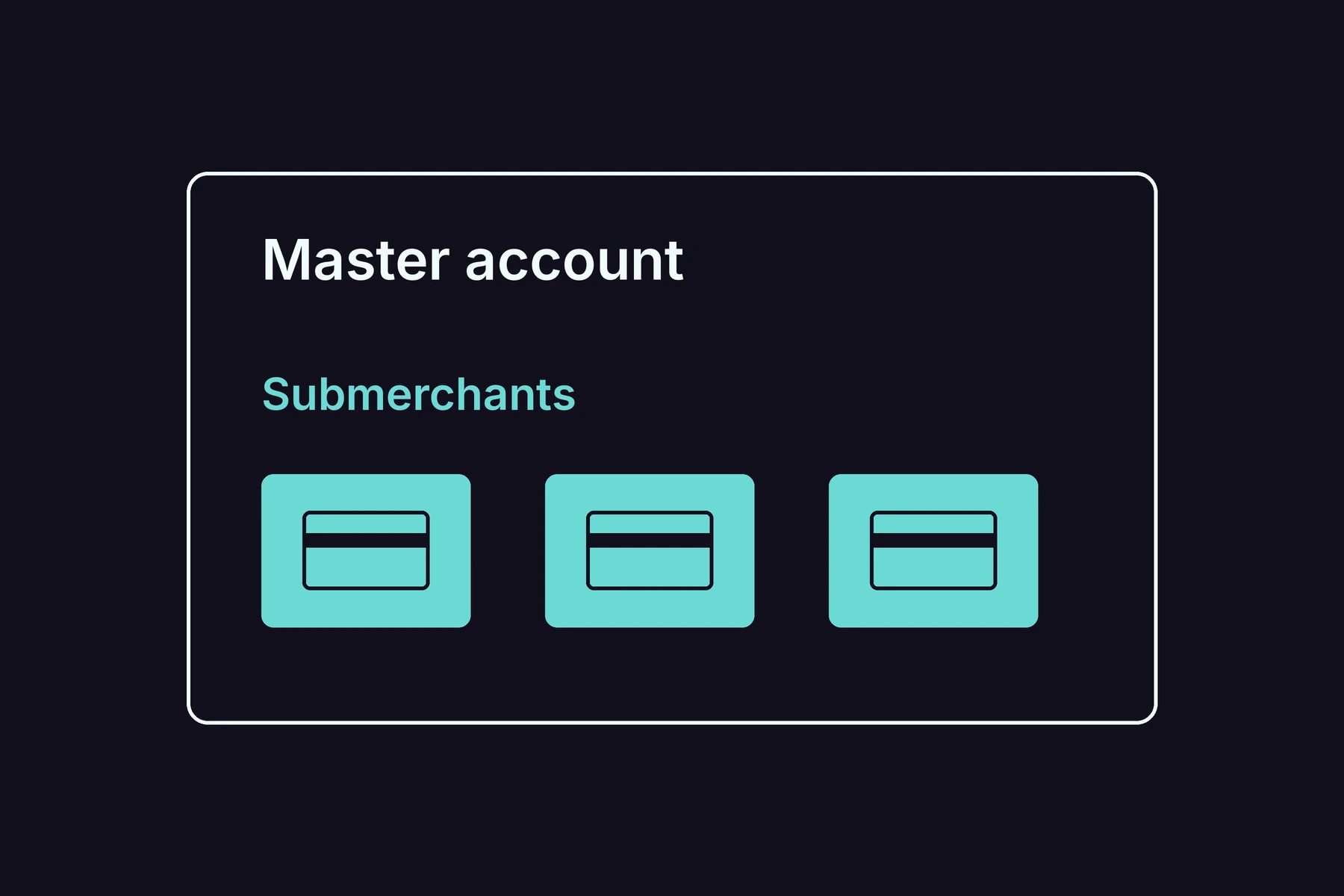
A payment facilitator, commonly shortened to PayFac, is a company that holds a master merchant account and onboards other businesses as submerchants underneath it.

How to Calculate Credit Card Processing Fees: The 3-Step Method We Use on Every Statement Audit
Calculate your effective processing rate in three steps, compare healthy ranges, and find hidden costs on merchant statements.