How Long Does a Credit Card Payment Take to Process?
Learn the difference between instant authorization and merchant funding, plus the cutoffs and delays that affect deposit timing.
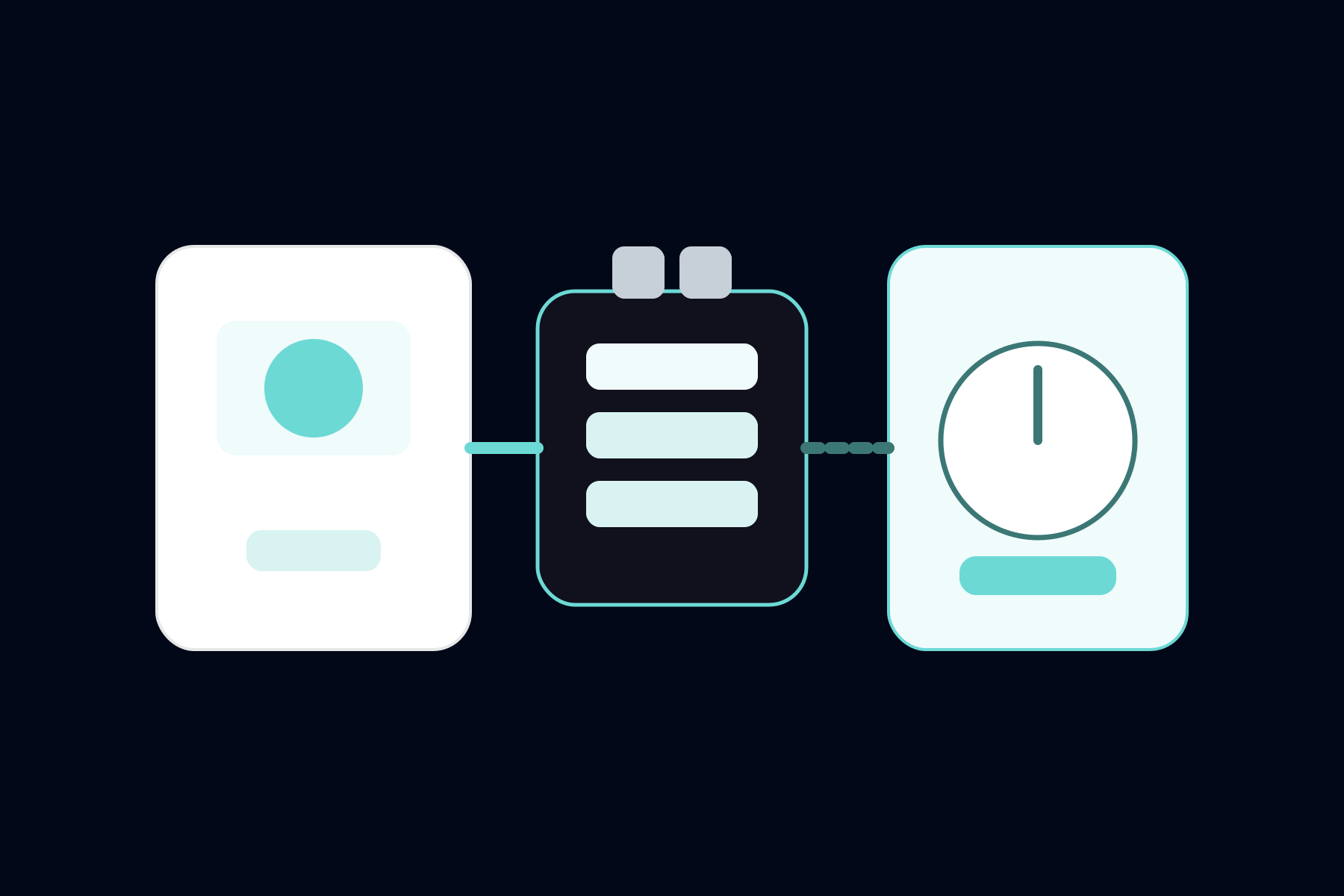
A credit card payment authorizes in 2 to 3 seconds and funds the merchant bank account in 1 to 3 business days. Customers experience the first number. Merchants live on the second. The gap between them is settlement, and it explains almost every cash flow question merchants ask.
What Happens in the First 3 Seconds?
Authorization confirms that the card is valid and the funds are available, and it completes before the customer leaves the terminal. Four parties touch the transaction in that window.
- Payment gateway encrypts and routes the transaction data.
- Processor forwards the request to the correct card network.
- Card network delivers the request to the issuing bank.
- Issuing bank approves or declines and returns a response code.

The full mechanics are covered in how does credit card processing work.
Why Does Funding Take 1 to 3 Business Days?
Funding waits on settlement, which is a separate batch process that runs after authorization. Authorization only places a hold. Settlement actually moves money between the issuing bank and the acquiring bank, and that transfer follows banking business hours.

How Does Batch Timing Change Your Deposit Date?
Batch cutoff time determines which business day your deposit starts counting from. A batch closed at 4:00 PM local time settles that evening. A batch closed after cutoff rolls to the next business day, adding 24 hours before funds even enter the settlement queue.
What Are the 5 Most Common Causes of Delay?
Five conditions push funding past the normal window.
- Weekend or federal holiday batches, since settlement follows banking days.
- Missed batch cutoff times at the terminal or gateway.
- New merchant accounts inside an initial reserve or review period.
- High-risk classification with rolling reserve requirements.
- Manual review flags triggered by unusual ticket size or velocity.
Weekend behavior specifically is covered in do credit card payments process on weekends.
How Long Do Refunds and Pending Charges Take?
Refunds take longer than payments because the money travels back through the same chain in reverse. Most refunds post to the cardholder in 3 to 10 business days. See how long do credit card refunds take to process for the full breakdown by card network.
Why Does a Charge Show as Pending?
A pending charge is an authorization hold that has not yet settled. The hold reduces the customer’s available credit immediately and drops off once settlement completes or the authorization expires.
How Does Payment Method Change the Timeline?
Different payment methods settle on different schedules even when the customer experience looks identical. Four common methods compare as follows.
- Card-present swipes and taps: authorize instantly, fund in 1 to 2 business days.
- Card-not-present ecommerce orders: authorize instantly, fund in 2 to 3 business days.
- Keyed or virtual terminal transactions: authorize instantly, fund in 2 to 3 business days.
- ACH bank transfers: no instant authorization, settle in 3 to 5 business days.

ACH trades speed for cost, which is why recurring B2B billing often uses it. The comparison is covered in ACH vs credit card payments.
Speeding Up Access to Your Funds
Next-day funding is available on many accounts when batches close before cutoff and the account is outside its review period. The right processing setup matters here, and merchants can compare options across our payment processing solutions.
Understanding the roles in the chain also helps. Start with what is a payment processor to see who controls which part of the timeline.
Frequently Asked Questions
Can a payment be declined after it was approved?
Yes. An approval is an authorization, not a completed transfer. A transaction can still fail at settlement if the authorization expires, the batch is rejected, or the issuer reverses the hold.
How long does an authorization hold last?
Authorization holds typically last 3 to 7 days, though hotels, car rentals, and fuel stations use longer windows. The hold releases automatically if the merchant never captures the transaction.
Do all processors fund on the same schedule?
No. Funding speed depends on the processor, the acquiring bank, and your account risk profile. Standard timing is 1 to 3 business days, and next-day funding is a specific account feature.
Table of Contents
Subscribe to our newsletter
Get the latest insights and updates delivered to your inbox.

How Much Are Credit Card Processing Fees? Real Numbers From the Merchant Statements We Review
See realistic credit card processing fee ranges, the three fee layers, and how pricing models affect the true all-in cost.
How to Prevent Chargebacks: 9 Merchant Controls
Most chargebacks are preventable, because most of them start as a customer problem rather than fraud.

How to Read a Merchant Statement: A Line-by-Line Analysis
Review a merchant statement line by line, calculate the effective rate, identify padded fees, and turn the findings into savings.